



How to Care for a Bromeliad
Author: Melanie Dearringer8 Comments
Bromeliads make excellent houseplants due to their vivid colors, unique features, and hardiness. Perhaps you picked one up for yourself or received one as a gift. Either way, it is important to know how to care for these fascinating plants so they may provide enjoyment for years to come. Bromeliads are quite a diverse family of plants. They range in size from small air plants to large terrestrial plants. Their foliage can be thick and fleshy or needle thin with sharp spikes. A bromeliad plant can be proportionally displayed or beautifully asymmetrical.

Recent Posts
Resource Download
Hechtia Care Cheat Sheet
Learn how to care for your Hechtia bromeliad with this quick and easy informational guide.
Learn More
Ask an Expert
Questions about bromeliads?
Our experts love a challenge!
Monique
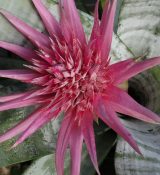
Bromeliad Aechmea
Photo of the Week
Submit your photo to be featured on the blog!
More Photo of the Week Winners
Submit Photo