



Bromeliad Basics: Fertilizer
Author: Melanie Dearringer4 Comments
In this article you’ll find helpful information on the general fertilizer requirements for a bromeliad plant.
Fertilizer
Most bromeliads do not require fertilizer to thrive. However, there are some varieties that can benefit from regular, light feedings. Proving them with additional nutrition can help enhance flower production and foliage appearance.
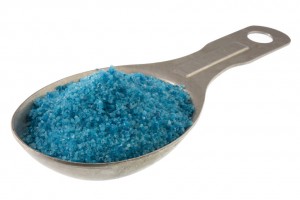 Bromeliads actively grow in the summer months and profit from fertilizer during this time. If you choose to use a liquid fertilizer, simply apply it at 1/4 strength. Another method is to use a time release powder or pellet formula. The grains should be lightly sprinkled around the base of the bromeliad. Regardless of the approach you take, it is important to keep the fertilizer out of the central tank. Allowing fertilizer to sit in your bromeliad’s central cup can cause its foliage to burn and may invite rot.
Take care not to over-fertilize your plant. Bromeliad foliage tends to get leggy and their vibrant colors can fade when presented with too much fertilizer.
For even more information on bromeliad basic care, check out these great articles:
Bromeliad Basics: An Introduction
Bromeliad Basics: Temperature
Bromeliad Basics: Watering
Bromeliad Basics: Lighting
Bromeliad Basics: Potting Medium
Bromeliad Basics: Repotting
Bromeliad Basics: Propagation
If you enjoyed this, please share it!


4 Responses to “Bromeliad Basics: Fertilizer”
Leave a Reply
Resource Download
Hechtia Care Cheat Sheet
Learn how to care for your Hechtia bromeliad with this quick and easy informational guide.
Learn More
Ask an Expert
Questions about bromeliads?
Our experts love a challenge!
Monique
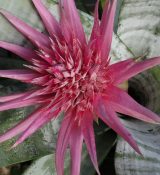
Bromeliad Aechmea
Photo of the Week
Submit your photo to be featured on the blog!
More Photo of the Week Winners
Submit Photo
What would you recommend for feeding the pink bromeliad, location Orlando? It’s the one with the large stunning pink bloom with blue flowers inside, seen at right.
I am asking for same info even though I have done well with growing these Bromeliads. I call this type White Lace, but I’m not sure this is correct.
What kind of fertilazer,for bromeliad.
Here’s some information on fertilizing: https://www.bromeliads.info/caring-for-bromeliads-part-three-fertilizer/