



Pineapple: The Edible Bromeliad
Author: Melanie Dearringer7 Comments
Care and Culture, Classification
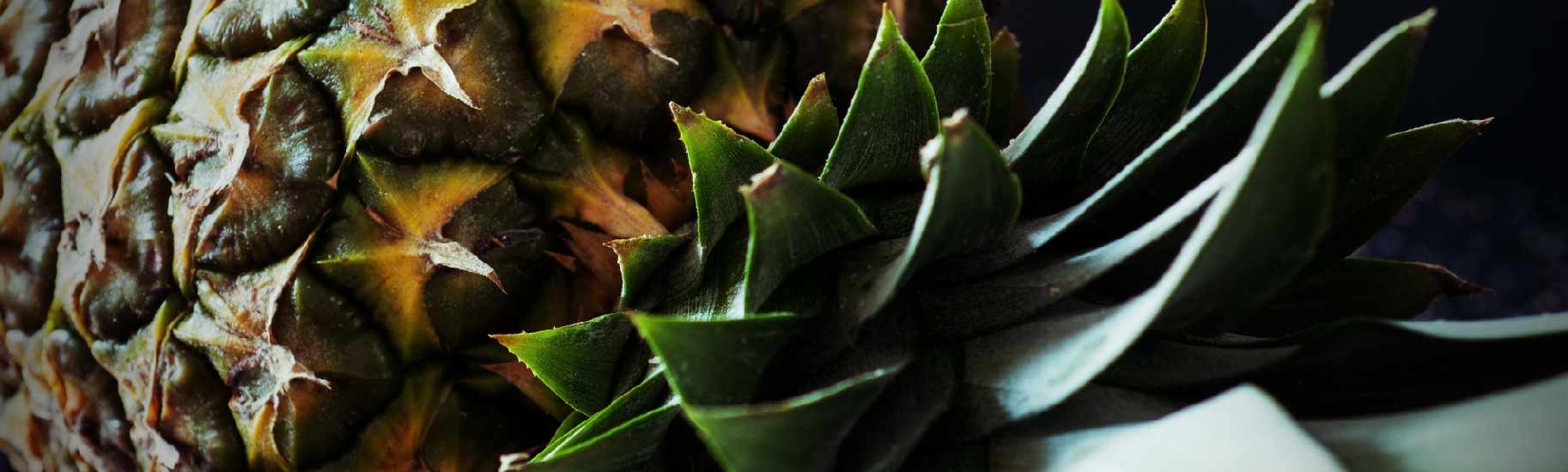
The pineapple, or Ananas comosus, is the most economically important bromeliad. It is the only bromeliad that produces a fruit that can be eaten and is therefore grown commercially in a variety of tropical locations. Its unique growth cycle and fruit development make the pineapple a fun bromeliad to add to your collection. The foliage of the pineapple can range from simple green to green and white striped. The leaves are waxy with spines on the margins. The plant typically produces up to two hundred flowers, the fruits of which join together to make the pineapple.
The History of Pineapples
The pineapple was first introduced in Spain by Christopher Columbus who had found the fruit in the Caribbean Islands. It was named piña (the Spanish word for pine cone) because of its resemblance to the pine cone. In the English language it was referred to as the pineapple as were pine cones, which were assigned their new name later. While Columbus found the fruit in the Caribbean, the fruit traces its origins back to southern Brazil and Paraguay. Since its introduction to Europe, the pineapple has been popularized all over the world. Part of its spread around the globe may be attributed to its use on ships to prevent scurvy. James Dole started one of the first United States companies to begin growing pineapples in Hawaii. His first pineapple plantation was established in 1900. Dole opened a cannery a year later in 1901. Del Monte followed shortly after in 1917. In 2009, however, it was the Philippines that topped the world’s pineapple production, producing 2,198 thousand metric tons of fruit. While pineapple can be delicious fresh from the grocery store, it can also be fun to grow in your home or greenhouse.
Grow Your Own Pineapple
There are several ways to start a pineapple plant. The easiest way to get started is to purchase a pineapple from the grocery store. Grasp the leaves (the crown) of the pineapple near where they meet the fruit. Gently twist while pulling away from the fruit. The leaves will pull off leaving only a small nubbin where they once met the fruit. If there is any extra flesh attached remove it as it could cause root rot later. Next gently pull away the bottom few layers of leaves. As you do this you will expose new roots. Pull the leaves away about an inch up the stalk or until you no longer see the root starts. Allow the crown to dry 5-7 days before planting.
Choosing a Container
Once you are ready to pot your pineapple, you will want to choose an 8 inch container. Eventually the plant will need to be transplanted to a larger pot. Many store bought pineapples can grow as tall as four feet and have a four foot diameter. There are other varieties that can be purchased from growers that do not grow as large. To prepare your container, place a pottery shard over the drainage hole and fill the rest of the pot minus a few inches with potting mix. Pineapples are not particular about soil so any commercial potting mix that allows drainage will work. Then place the crown in the pot and add soil around it. Pat the soil so that the crown stands up, but do not pack it tightly. Be careful not to disturb the crown for a few weeks until the roots take hold. If needed, stake the plant until it can support its own weight.
Water
Water the soil thoroughly but do not let it become soggy. Pineapples do not do well in constantly wet conditions. Continue to keep the soil moist but not wet. Pineapples are drought tolerant and will grow more slowly when they do not receive enough water, but under-watering is more tolerated that over-watering.
Light
Pineapples perform well in tropical climates. Persistent freezing temperatures will kill these plants. If you live in an area with a winter season your plant will need to remain indoors. Choose a sunny window that will not get too cold at night. When you are planning the space in which your pineapple will grow, keep in mind the mature size and make sure there is enough room. Pineapples prefer a lot of light. If you do not have a window with enough light or your days become very short in the winter you may want supplement with artificial grow lights. If you are planning to move your pineapple outdoors for the summer, start it out in a shady space for a week until it acclimates. Then place the plant in direct sun.
Fruit
 While the pineapple plant provides beautiful foliage all the time, the fruit requires patience. It can take as long as three years between planting the crown and harvesting the fruit. When the plant produces fruit has largely to do with the size and maturity of the plant. In ideal conditions, the plant will produce a bud in the center of the leaves between 12 and 14 months. Two months later a bright red cone appears. The cone will then be covered with a blue flower lasting only a day. Flower development typically happens during days of shorter duration. After flowering, the pineapple may take another four months or longer to ripen. The fruit is ripe when it has turned from green to a golden color. It will also have the recognizably sweet smell of a pineapple.
Propagation
After the pineapple produces fruit, it will begin to produce suckers. The suckers grow fast while attached to the original plant so wait as long as possible, at least until they are twelve inches, before removing them. These suckers are likely to produce fruit a bit faster than growing the plant from the crown of the pineapple. Once the sucker or slip is removed from the plant you can start it growing the same way the crown was started for the original plant.
Pests
The most common pests for the home grown pineapple are scale and mealy bugs. For a small infestation they can be washed off with mild soap and water and then rinsed. For a larger infestation pesticides can be used. However, be sure to follow the instructions carefully and seek the advice of a professional before application.
Uses
The pineapple fruit has a variety of uses.
- It is sweet and delicious eaten fresh. However, if it is unripe it can be poisonous and cause severe stomach irritation.
- Fresh pineapple cannot be added to jams or gelatin because it contains an enzyme called bromelain. Bromelain breaks down protein therefore hindering jams and gelatins from setting. This same enzyme also makes fresh pineapple juice an excellent tenderizer for meet and is found in many different marinades. Bromelain is broken down when pineapple is cooked so canned pineapple does not contain the enzyme. It can be used without concern for the effects of Bromelain.
Downsides of Commercial Production
Commercially produced pineapple does have some draw backs. A substantial amount of organophosphates, a dangerous pesticide, is used in pineapple plantations. In Costa Rica, Europe’s largest pineapple supplier, 20 kilograms of various pesticides are used per hectare per growing cycle. Not only does this harm biodiversity, soil quality, and drinking water, but it can also pose a threat to laborers’ health. By purchasing organic pineapples or growing your own you can avoid contributing to this problem.
Hospitality
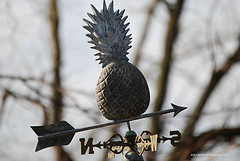 Dating back to colonial times the pineapple has been a symbol of hospitality. Throughout the United States it can still be found as wood carvings in gardens hanging on front doors placed in centerpieces on tables and anywhere else a guest may be welcomed. Enjoy this majestic bromeliad on decorations as well as a plant in your home. It is a beautiful and easily propagated bromeliad. Under the right conditions it can even provide a delicious treat. With patience and care you can enjoy growing your own fresh pineapple.
Sources
“Pineapple” Wikipedia http://en.wikipedia.org/wiki/Pineapple
“Starting a Pineapple Plant From a Pineapple” Bromeliad Society International. John Atlee http://www.bsi.org/brom_info/growing/pineapple.html
“Pineapple” Fruits of Warm Climates. Julia F. Morton. http://www.hort.purdue.edu/newcrop/morton/pineapple.html
“How to Grow a Pineapple in Your Home” Pineapple Research Institute of Hawaii http://tpss.hawaii.edu/pineapple/pinegrow.htm
Featured image Pineapple photo credit: Gabrielle Ludlow via http://www.flickr.com/photos/gabludlow/9530603160/
Pineapple weather vane photo credit: kkimphotography via http://www.flickr.com/photos/kkimphotos/8307647197/
If you enjoyed this, please share it!


7 Responses to “Pineapple: The Edible Bromeliad”
Leave a Reply
Resource Download
Hechtia Care Cheat Sheet
Learn how to care for your Hechtia bromeliad with this quick and easy informational guide.
Learn More
Ask an Expert
Questions about bromeliads?
Our experts love a challenge!
Monique
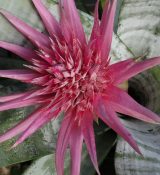
Bromeliad Aechmea
Photo of the Week
Submit your photo to be featured on the blog!
More Photo of the Week Winners
Submit Photo
I had no idea a pineapple was in the bromeliad family. Thanks for posting!
I use to do pineapple demo’s in Hawaii in the 80’s.Can tell you how to pick a good one. (-:
How much artificial light should I provide in hours (grow light bulb in stand). Using 20W Ottlife 950 luminaire, not sure how long to leave it on for.
Very interresting
can you eat the leaves of a pineapple
One could try, although the thorny, thick leaves might not prove very appetizing.
Thank you for giving me wonderful information.