



List Of Common Cryptanthus Bromeliad Species
Author: adminNo Comments
Care and Culture, Classification
The Cryptanthus species and hybrids have earned the name of earth stars on account of their shape.
They make very flat rosettes of 10-30 tapering pointed leaves that hug the ground, varying in size from the 3 inch (7.5cm) diameter of Cryptanthus roseus to the 2 ft (60cm) of C. fosterianus and its hybrids. They are excellent houseplants for warm rooms and the smaller species are widely used in bottle gardens, where they will outlive most other plants without increasing in size too much. In the greenhouse earth stars need a winter minimum temperature of 60 degrees F (15 degrees C). In nature they are inhabitants of Brazil, growing in rich leafy material on the forest floor, and in cultivation they should therefore be given similar, rich, open compost. A mixture of well-rotted leaf mould, coarse sand and moss peat in equal volumes seems to suit them, enabling the roots to remain damp but no wet for most of the time. The amount of light required depends on the particular species; some need fairly heavy shade to bring out the best colors. Light is an important factor in determining their colors, so it is well worth experimenting to obtain the appearance that you prefer.
List of Common Aechmeas
If you enjoyed this, please share it!


Resource Download
Hechtia Care Cheat Sheet
Learn how to care for your Hechtia bromeliad with this quick and easy informational guide.
Learn More
Ask an Expert
Questions about bromeliads?
Our experts love a challenge!
Monique
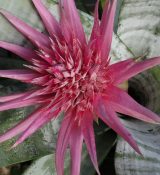
Bromeliad Aechmea
Photo of the Week
Submit your photo to be featured on the blog!
More Photo of the Week Winners
Submit Photo